
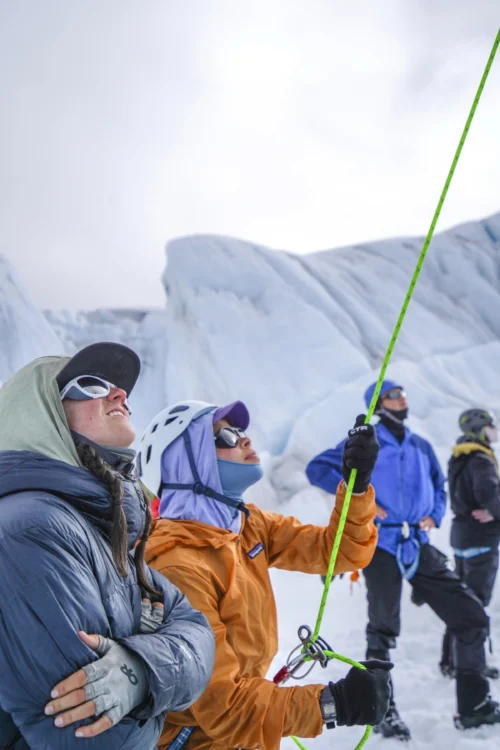

Wilderness Emergency Medical Technician (WEMT)
Our Wilderness Emergency Medical Technician course covers both wilderness medicine and urban medical care practices in an intensive, month-long program.
Duration
200 hours
Overview
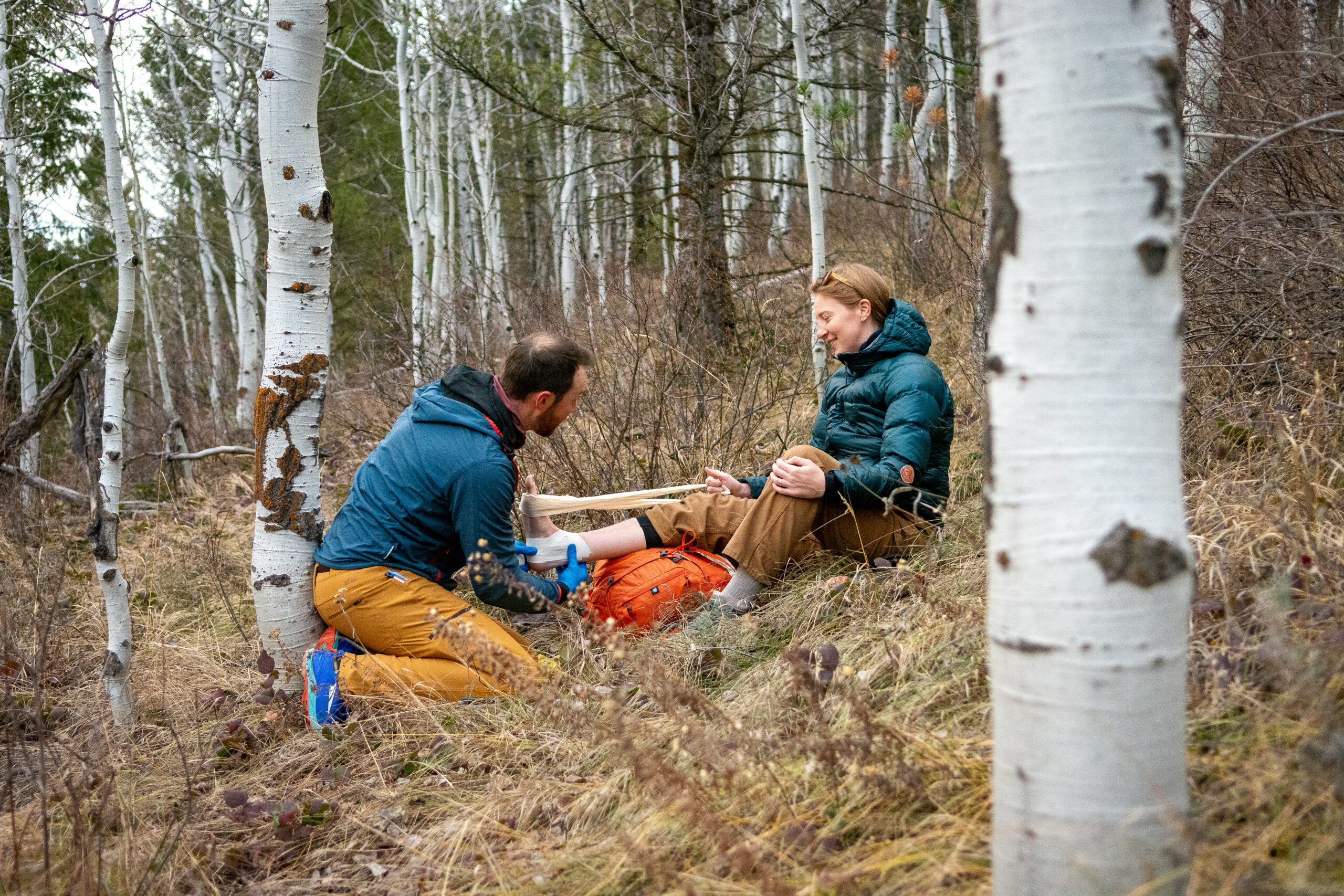
About this course
Nationwide, EMS programs have a 65-75% first-time pass rate on the NREMT exam.
Across the last decade, NOLS students have a 90-95% first-time pass rate.
Top-level ski patrols, professional SAR teams, the Wildland Fire community, and disaster relief agencies prefer the WEMT certification.
Learn both wilderness medicine and urban medical care practices in this intensive, month-long program.
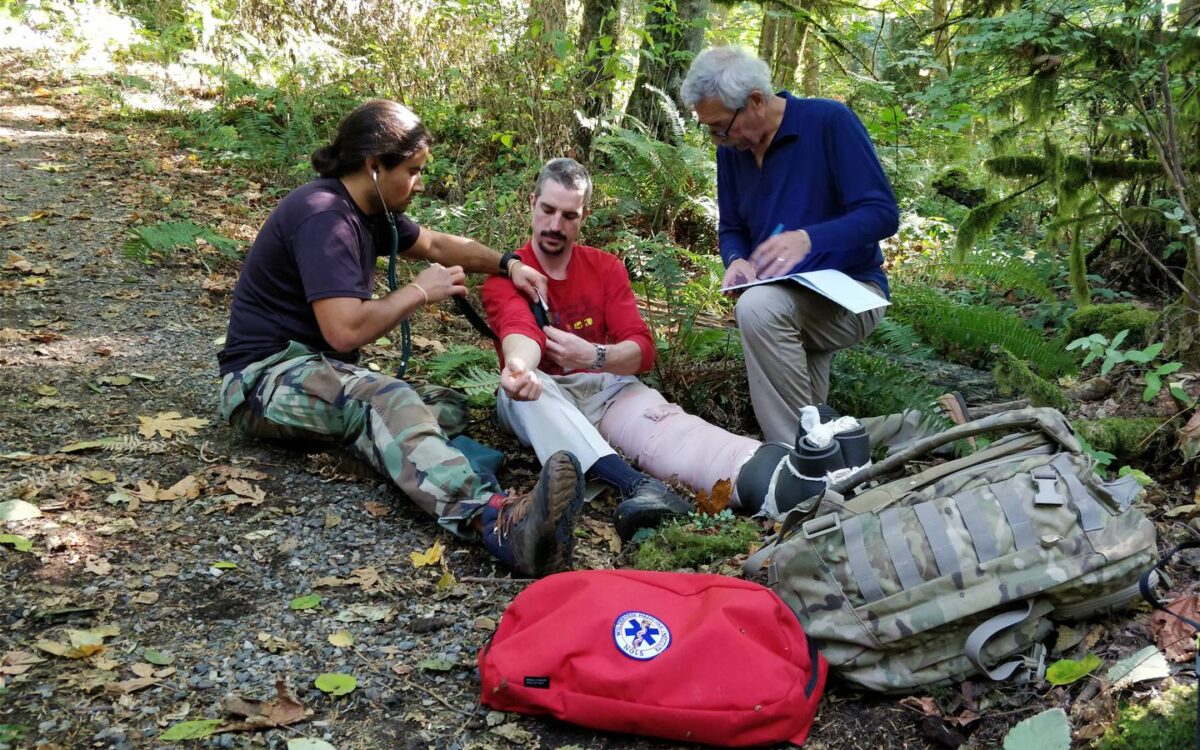
After four weeks of classroom education, practical skills, scenarios, and full-scale mock rescues, you’ll be ready to handle medical emergencies, in the wilderness or in town. You’ll earn both your EMT and your Wilderness EMT certifications, preparing you to work on an ambulance, for an outdoor organization, or a land management agency.
You’ll learn both in the classroom and in outdoor settings regardless of weather, so come prepared for wet, muddy, cold, or hot environments!
Course Policies
Please review our policies including cancellation policies, attendance requirements, minimum age requirements, and more.
Also see dates for our Wilderness Emergency Medical Technician (EMT plus Wilderness Upgrade for Medical Professionals Format) courses.
Resources
Resources & downloads
Additional Details
Continuing Education (Learn More)
This course has been approved for Fellowship of the Academy of Wilderness Medicine (FAWM) credits through the Wilderness Medical Society. Actual credits awarded depend on personal credit needs and history.
Academic Credit (Learn more)
This course is approved for 9 college credits through the University of Utah and 6 college credits through Western Colorado University.
Topics Covered
Introduction to Emergency Care & Training
Medical Legal Issues
Patient Assessment System
Documentation
Airway Obstruction & Respiratory Arrest
O2 Therapy
Bleeding & Shock
CPR
CPR Considerations for the Remote Environment
Chest Trauma
Common Wilderness Medical Problems
Central Nervous System
Lifting and Moving
C-Collars
Back Board and KED Board
Litter Packaging
Backcountry Spinal Assessment
Head Injuries
Soft Tissue Injuries
Wilderness Wound Management
Athletic Injuries
Fracture Management
Traction Splints
Dislocations
Cold Injuries
Heat & Hydration Illnesses
Cardiac, Respiratory and Neurological Emergencies
Diabetes
Abdominal Emergencies
Poisoning
Triage
Multiple Casualty Incidents
Incident Command System
Leadership, Teamwork & Communication
Medical Decision-making
Disturbances of Behavior
Alcohol & Drug Emergencies
Communicable Disease
Lightning
North American Bites & Stings
Allergies and Anaphylaxis
Altitude Illness
Submersion
Cold Water Immersion
SCUBA Diving Injuries
Geriatrics
Emergency Childbirth
Infants and Children
Urinary and Reproductive System Issues
Search and Rescue
Emergency Contingency Plans & Team Preparedness
Litter Improvisation
Long Term Patient Care
Ambulance Operations
Radio Communication Skills
Critical Incident Stress
Hazardous Materials
Wilderness Drug and First Aid Kits
Practical Skills Exam
NREMT Written Testing
From
$2,820 - $5,000
Tuition varies by location. Financial aid available.
Duration
200 hours
Location types
Varies
Skill Options
Academic Credit
Start/End
Varies
Fly In/Out
Varies
Certificate
Epinephrine Auto-injector, Wilderness Emergency Medical Technician, Emergency Medical Technician

Course Session Dates
What graduates say
Trusted by professionals worldwide
Keep Your WEMT Certification Current
A great option for recertifying the wilderness portion of your Wilderness EMT is NOLS Wilderness Medicine’s Wilderness Upgrade for Medical Professionals (WUMP) course. This is the best choice if you are also seeking to maximize Continuing Education Units.
You may also recertify the wilderness portion of your Wilderness EMT with a Wilderness First Responder Recertification, Hybrid Wilderness First Responder Recertification, Wilderness Advanced First Aid, or Wilderness First Aid course.
As a service to our graduates, we provide links to EMT Refresher Training Programs (RTP) offered by some long-term partners. These intensive courses are taught over 2 to 3 days, and they may be used to fulfill the requirements for taking an urban refresher course as established by the National Registry of EMTs (NREMT). Please check with the course host and your state EMS office to determine if the course will meet your state’s requirements.
Financial aid & Scholarships
NOLS supports a variety of outside financial aid options:
- AmeriCorps
- 529 College Savings Plans
- Veteran's Benefits (only for courses fully in the state of Wyoming)
Related wilderness medicine courses
 8 hours
  Initial Certification
 Recertification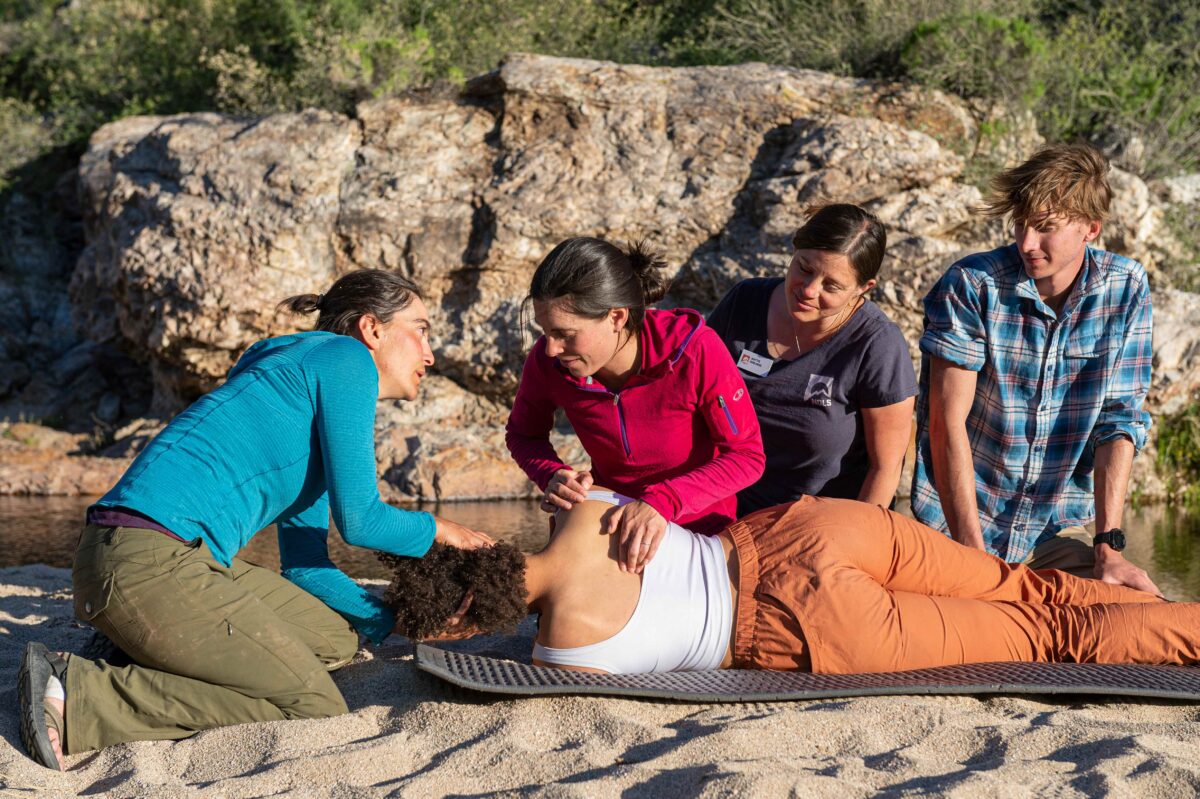
FAQ
Frequently asked questions
Yes, WEMT is worth it for EMTs who work in or aspire to work in wilderness and remote environments. The specialized training enhances your ability to provide emergency care in challenging remote, austere, or wilderness conditions, expanding your professional opportunities and preparedness.
An Emergency Medical Technician (EMT) is trained to provide emergency medical care in urban and suburban environments, with quick access to advanced medical facilities. A Wilderness EMT (WEMT) has additional training to handle medical emergencies in remote and wilderness settings. Wilderness EMTs learn to improvise with limited resources, manage prolonged patient care, and make decisions about delayed evacuations. The training bridges the gap between urban emergency care and wilderness medicine.
Ready
Ready to get certified?
Find a WFR course near you, talk to an admissions advisor, or request a free catalog to learn more about NOLS Wilderness Medicine.